Solid Waste Solutions

Solid Waste Solutions 4

Smart Solid Waste Collection Powered by Vacuum Technology

Unlike conventional waste handling methods that rely on bins, waste rooms, and collection trucks, vacuum solid waste systems transport waste through underground pipelines using negative pressure, ensuring cleaner, safer, and more efficient waste management.

We introduces this proven global technology to the Middle East, helping developers, municipalities, and facility owners reduce operational costs, improve hygiene standards, and meet sustainability goals—all while future-proofing their infrastructure.

Our Technology Partner

ECOSIR Group

Reynold Trading and Contracting (RTC) partners with ECOSIR Group, a globally recognized specialist in automated vacuum transfer systems for solid waste and laundry, to deliver reliable, future-ready waste collection solutions across the Middle East.

ECOSIR brings decades of international expertise, innovation-driven engineering, and proven system performance in some of the world’s most demanding environments.

By combining ECOSIR’s advanced vacuum technology with RTC’s regional engineering expertise and on-ground execution, we provide clients with solutions that are efficient, scalable, and built for long-term operation.
ECOSIR - bl

Solid Waste Collection Using Vacuum Technology

Solid Waste 1
Solid Waste 2
Solid Waste 3
Solid Waste 4
Solid Waste 5
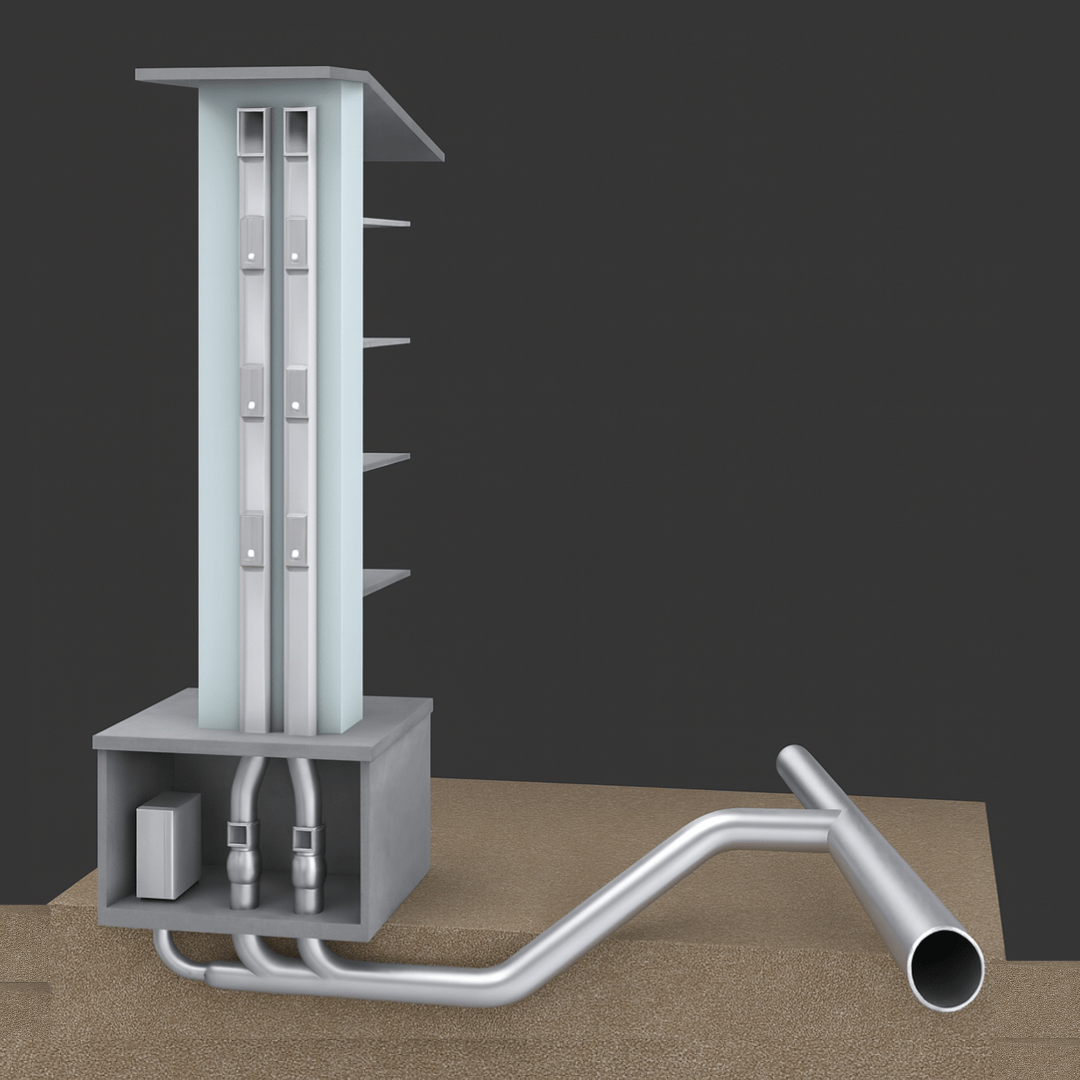
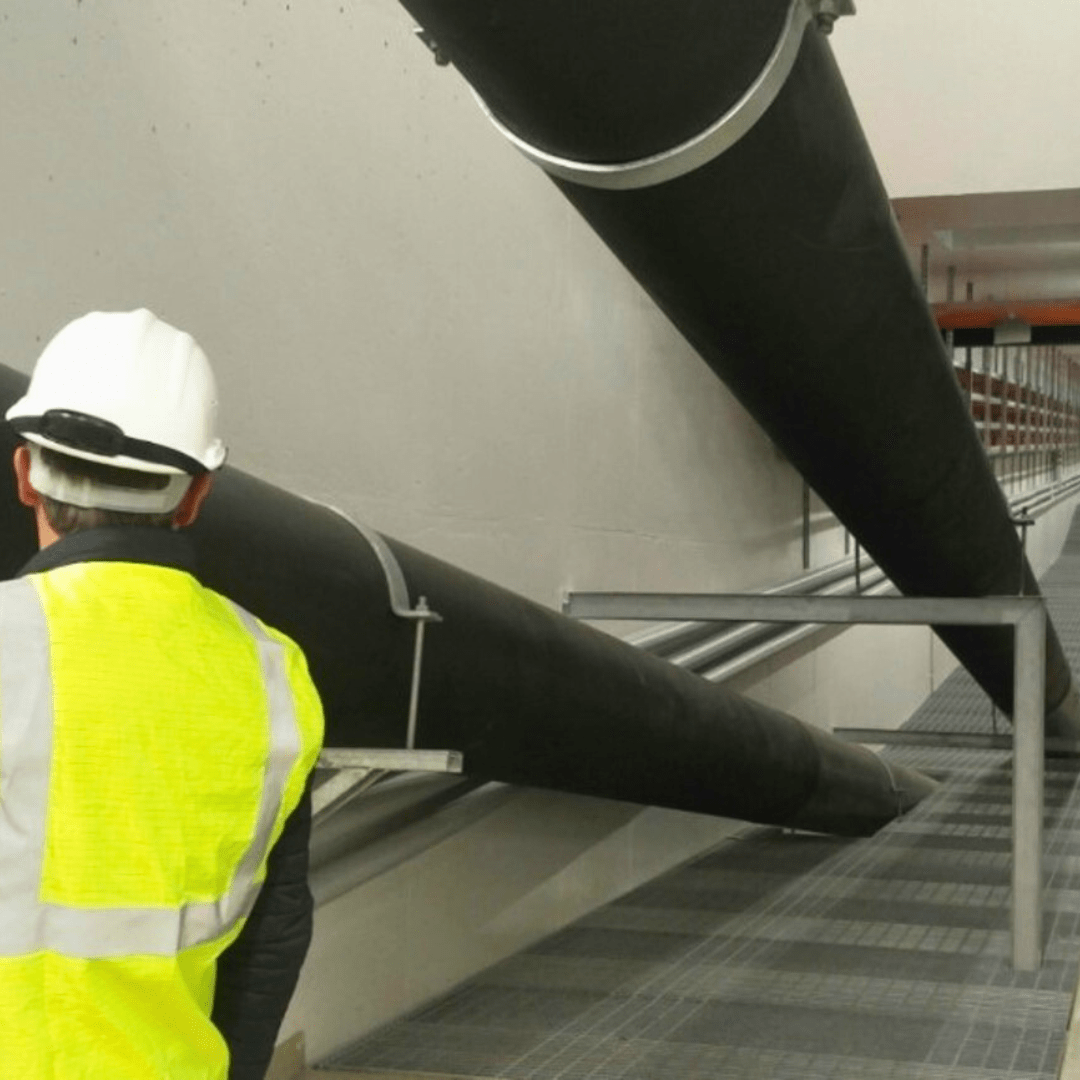
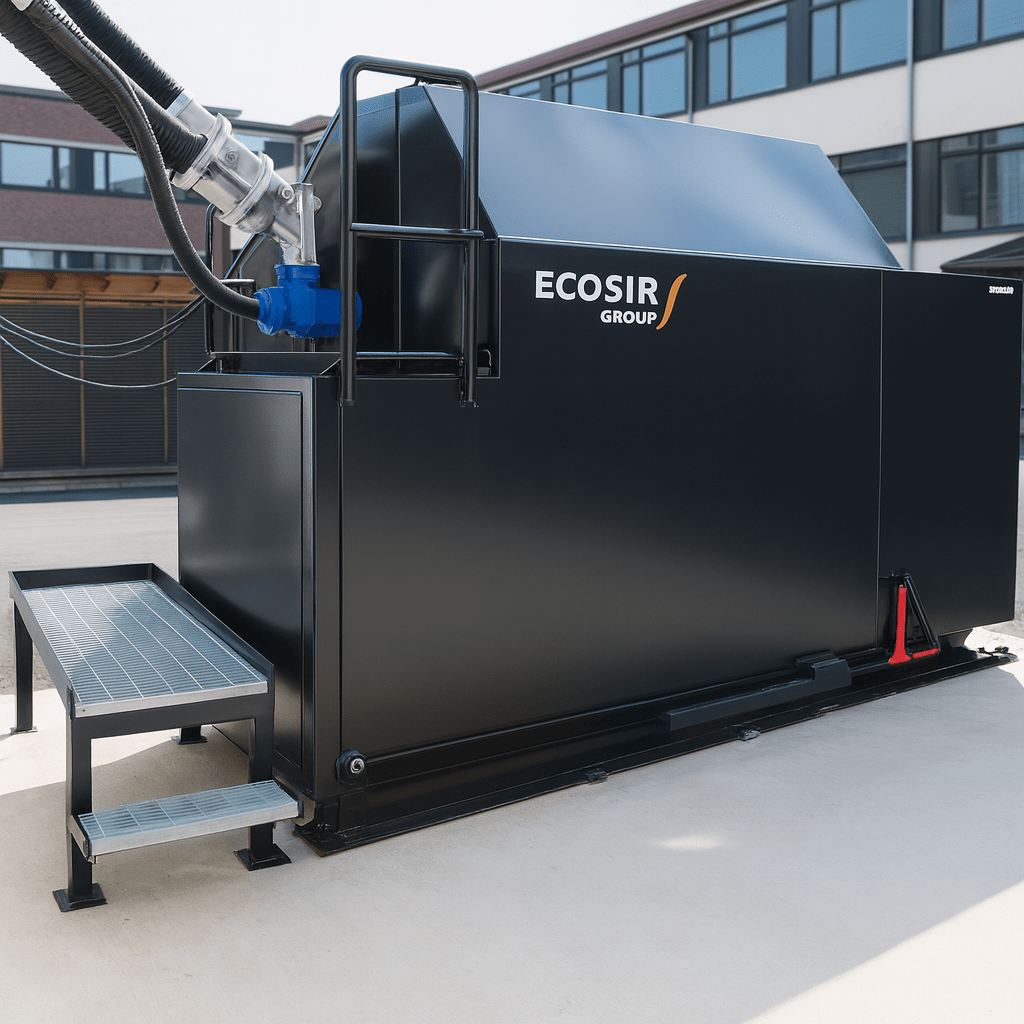
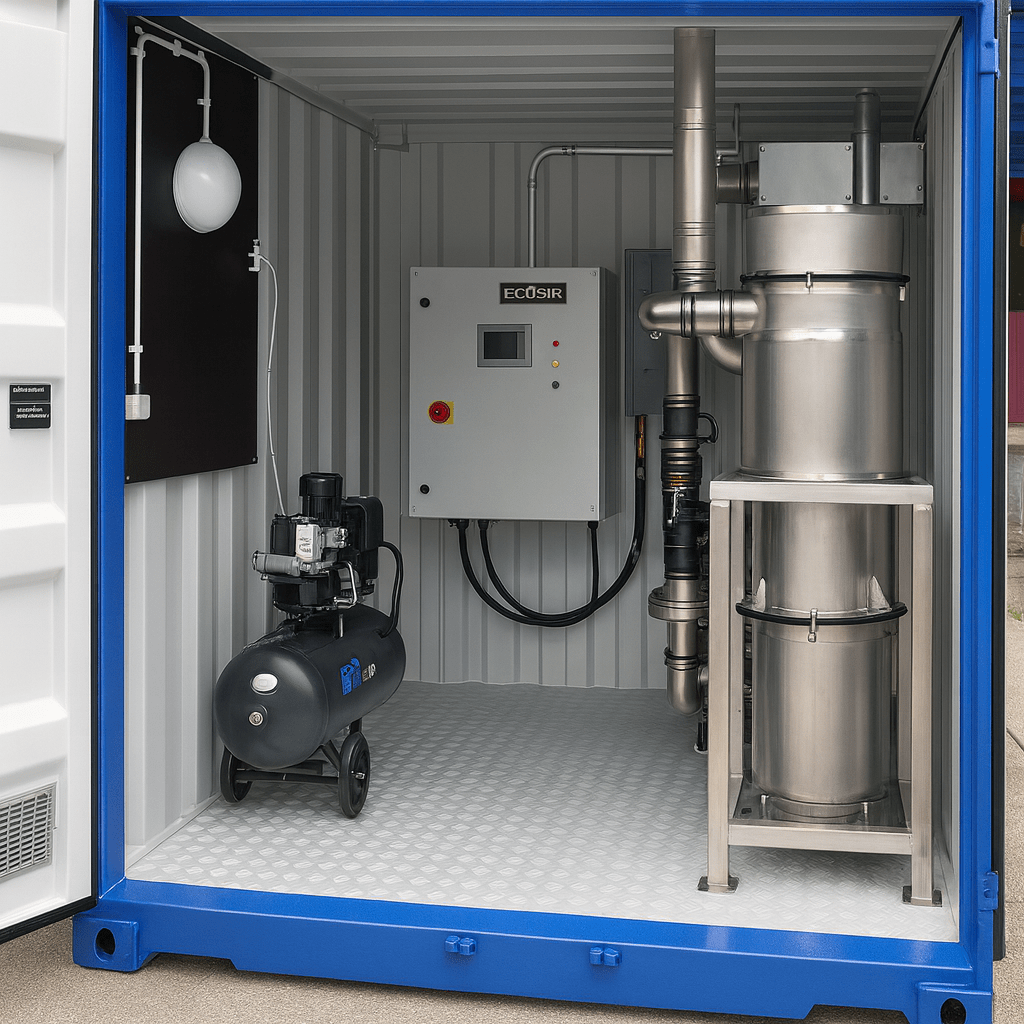
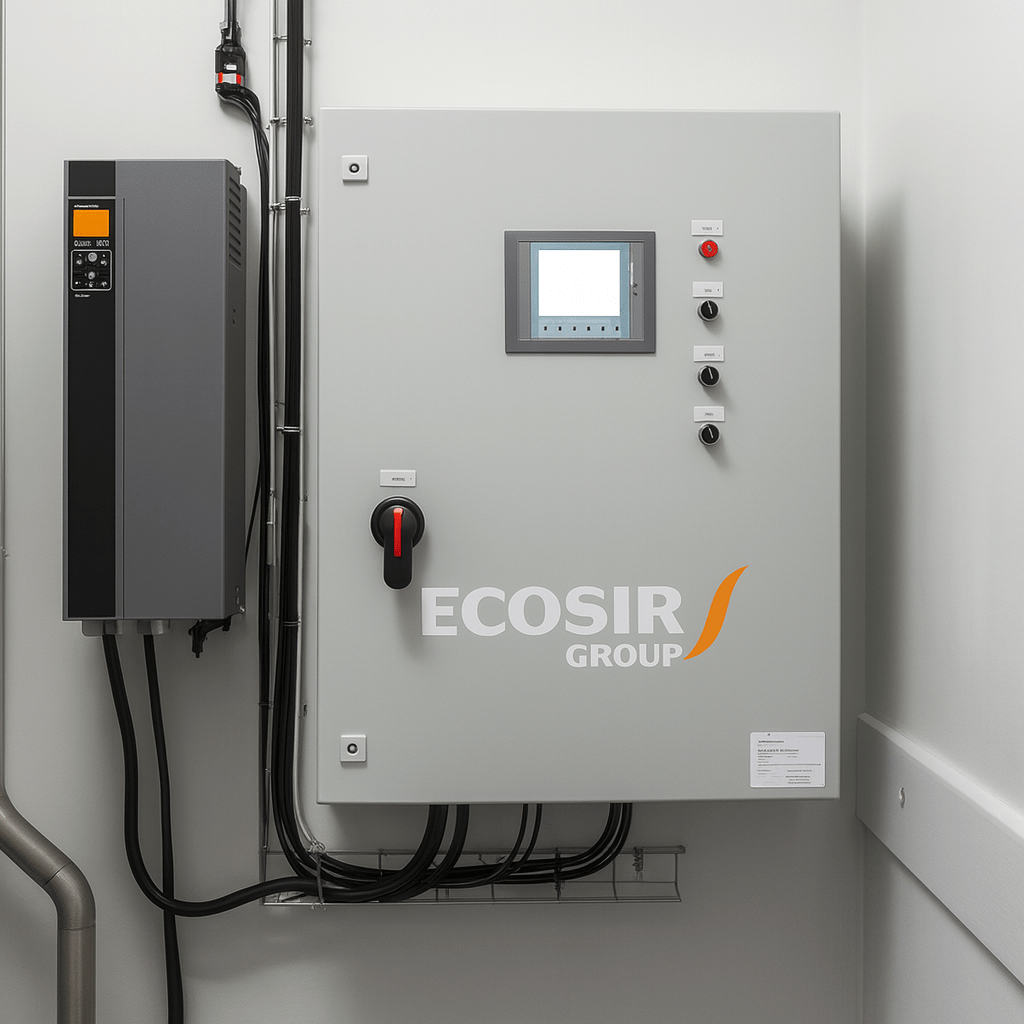
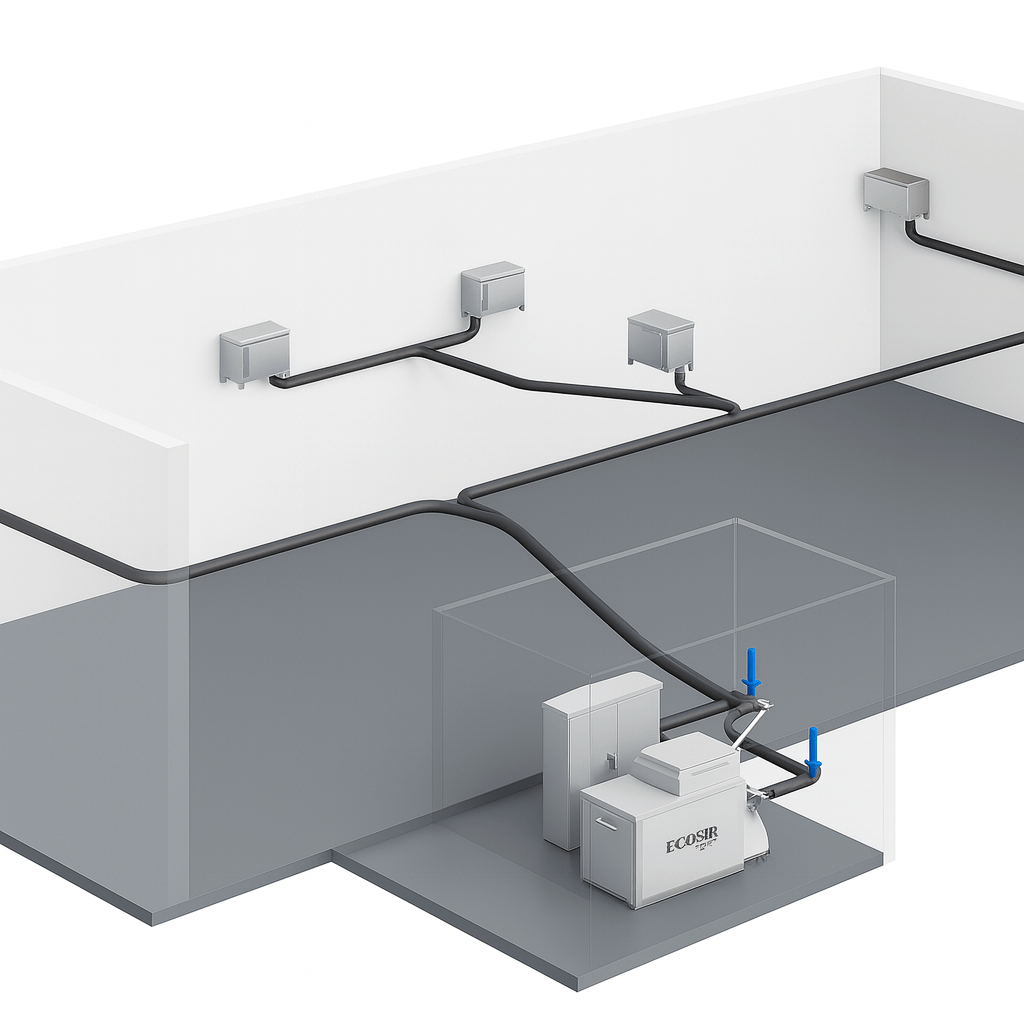
Vacuum-based solid waste collection is a modern, automated method of waste transport that replaces conventional waste handling systems such as bins, waste rooms, and internal collection vehicles. Using negative air pressure, waste is transported through a sealed underground pipeline network from multiple collection points to a centralized waste station.

Fully Automated Waste Transport

Vacuum waste collection systems operate with minimal human intervention. Once waste is deposited into the designated inlet, the system automatically transports it through underground pipelines to the central collection station.

Enclosed and Hygienic System Design

The entire waste transport process takes place within a sealed pipeline network, preventing exposure to the surrounding environment. This enclosed design minimizes odors, reduces the risk of contamination, and eliminates common hygiene issues such as pests, bacteria growth.

Eliminate Traditional Waste Rooms & Bins

By transporting waste directly from disposal points to a central station, vacuum systems remove the need for internal waste rooms, storage bins, and collection corridors within buildings. This frees up valuable usable space, improves building layout efficiency, and reduces the need for regular internal waste movement.

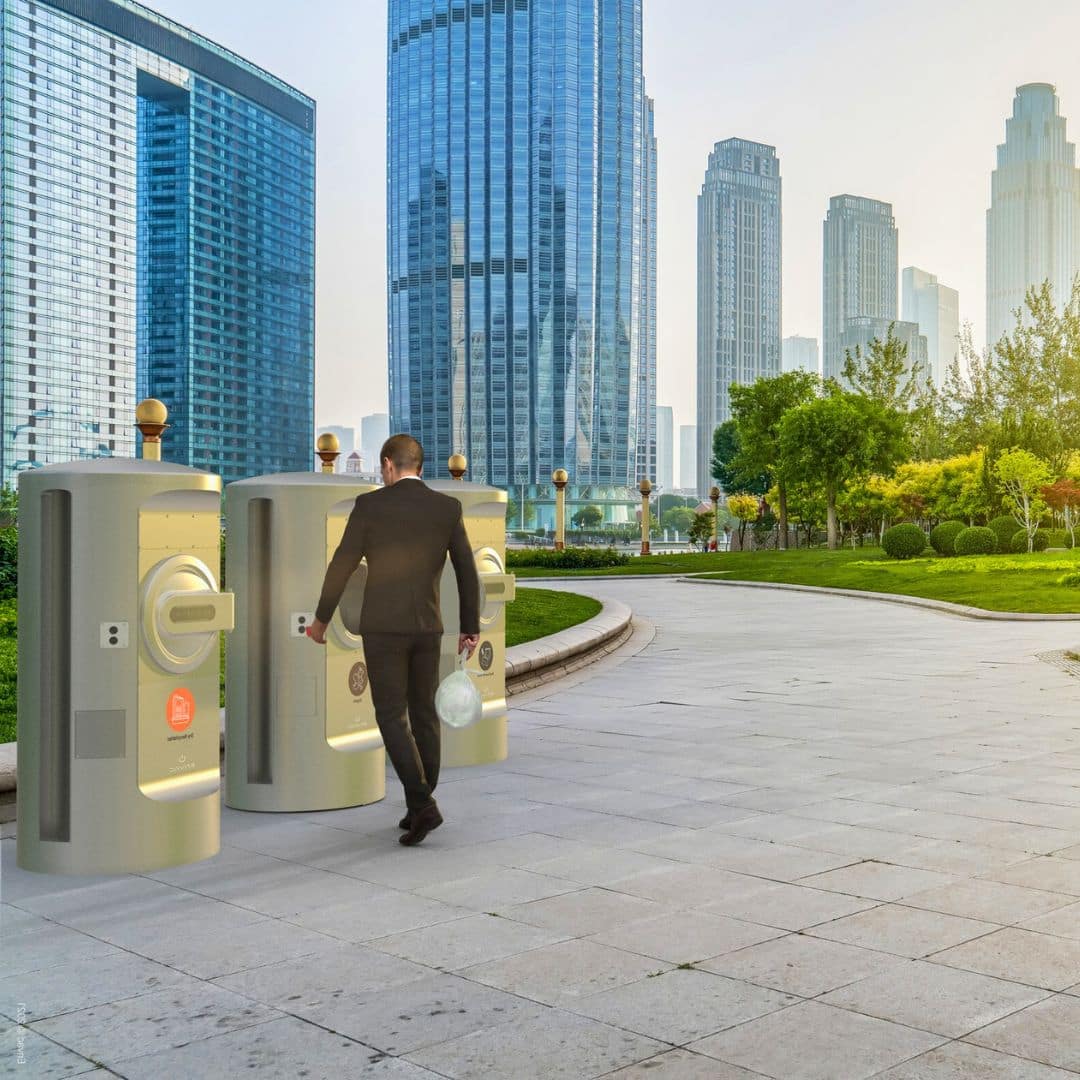
Ideal for Complex and High-Density Developments

Vacuum systems are highly adaptable and perform exceptionally well in environments where traditional waste collection is challenging. These include high-rise buildings, underground structures, dense urban areas, and developments with limited access or space constraints.

Food Waste Collection Solutions

Food Waste Collection 1
Food Waste Collection 2
Food Waste Collection 3
Food Waste Collection 4
Food Waste Collection 5
Food Waste Collection 6
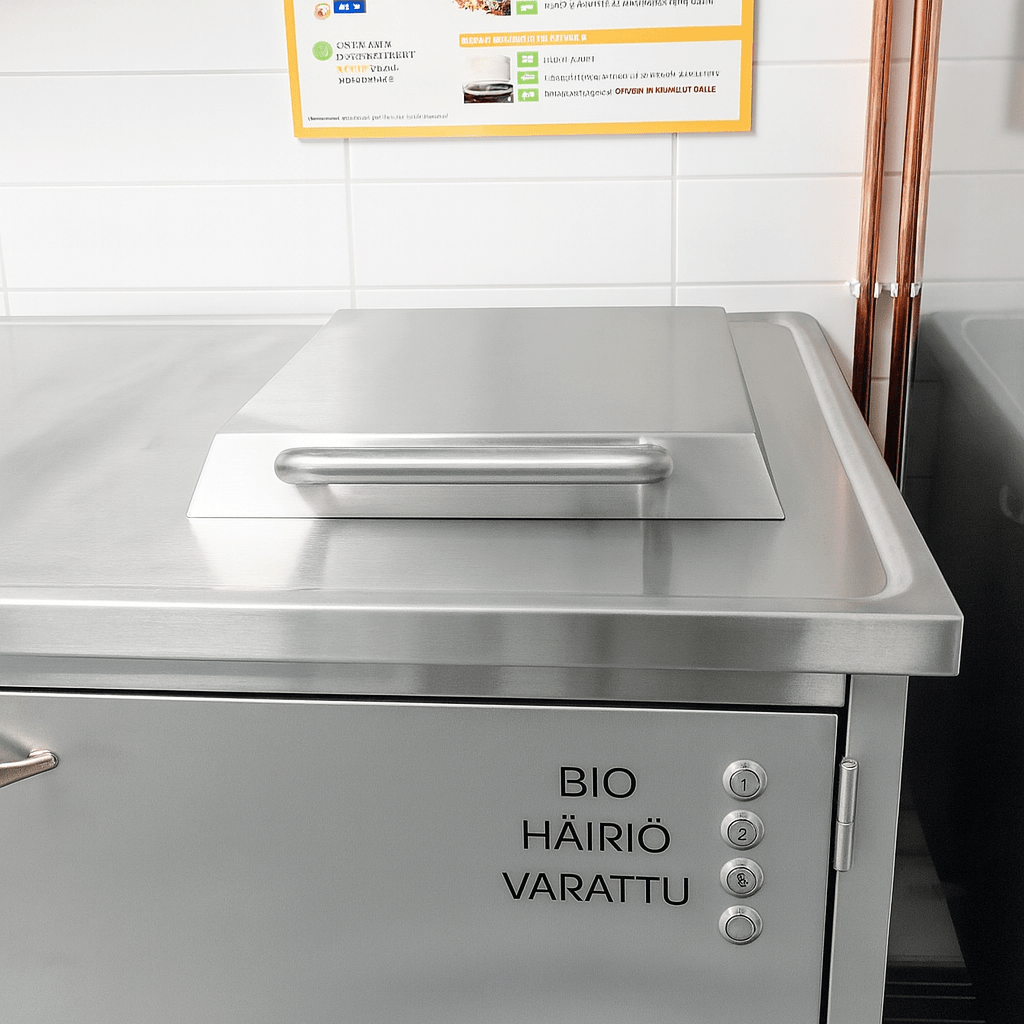
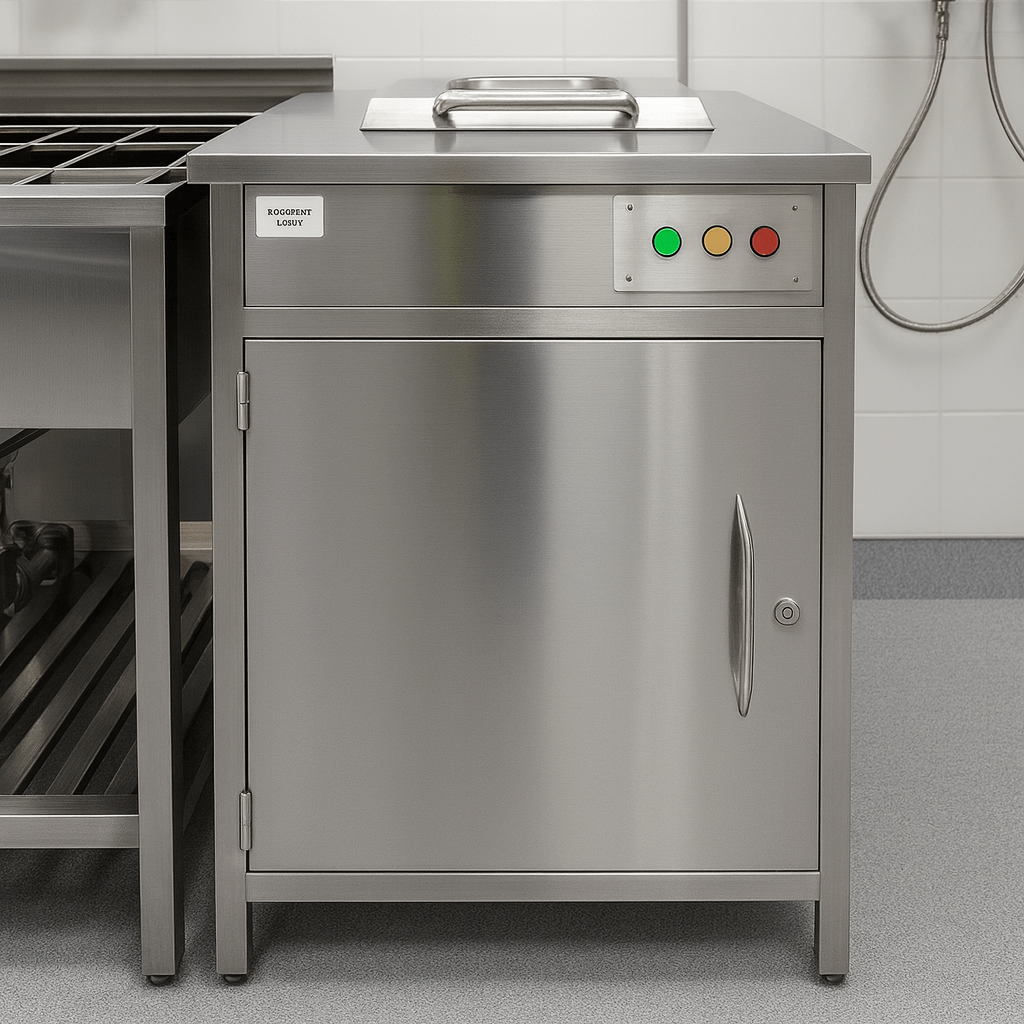
Food waste collection using vacuum technology is a highly efficient and hygienic method for managing organic waste at the source. Reynold Trading and Contracting (RTC Mena) provides advanced vacuum-based food waste collection systems designed to handle large volumes of organic waste generated by commercial kitchens, hospitality facilities, healthcare institutions, and mixed-use developments.

Hygienic Waste Removal at the Source

Vacuum food waste collection removes organic waste immediately after disposal, preventing the accumulation of food residues in kitchens or service areas. Since waste is transported through a sealed pipeline network, the risk of contamination, bacterial growth, and unpleasant odors is significantly reduced.

Elimination of Manual Waste Handling

Traditional food waste management relies heavily on manual collection, storage bins, and frequent transport, which increases labor requirements and operational risks. Vacuum food waste systems eliminate the need for on-site storage and manual handling, improving staff safety while allowing personnel to focus on core operational tasks rather than waste management.

Supports Waste Treatment and Recycling 

Collected food waste can be easily directed to downstream treatment systems such as composting units, anaerobic digesters, or other organic waste processing solutions. This enables facilities to convert organic waste into reusable resources, supporting circular economy initiatives and reducing landfill dependency.

Seamless Integration into Building Design

Food waste vacuum systems are compact and flexible, allowing them to be integrated seamlessly into new construction projects. The system’s pipeline network can be routed to suit complex layouts without affecting building aesthetics or operational flow, ensuring efficient waste management without compromising design.