Indoor Waste Water Solutions

Indoor Waste Water Solutions (1)

Redefining Indoor Wastewater Flow with Intelligent Vacuum Technology

Indoor wastewater management presents unique challenges where space constraints, hygiene standards, and operational reliability are non-negotiable. Reynold Trading and Contracting (RTC) delivers advanced Indoor Vacuum Wastewater Solutions designed specifically for buildings where conventional gravity drainage is inefficient, impractical, or costly.

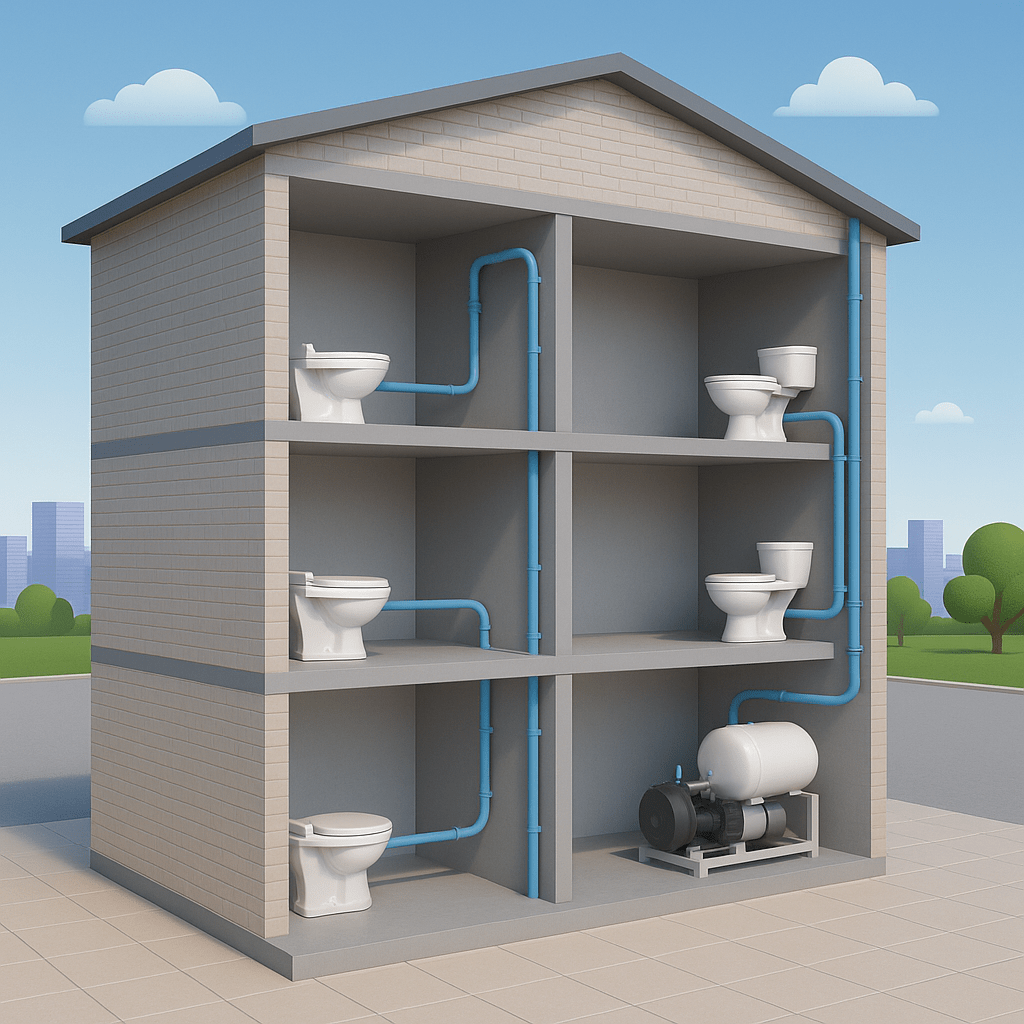
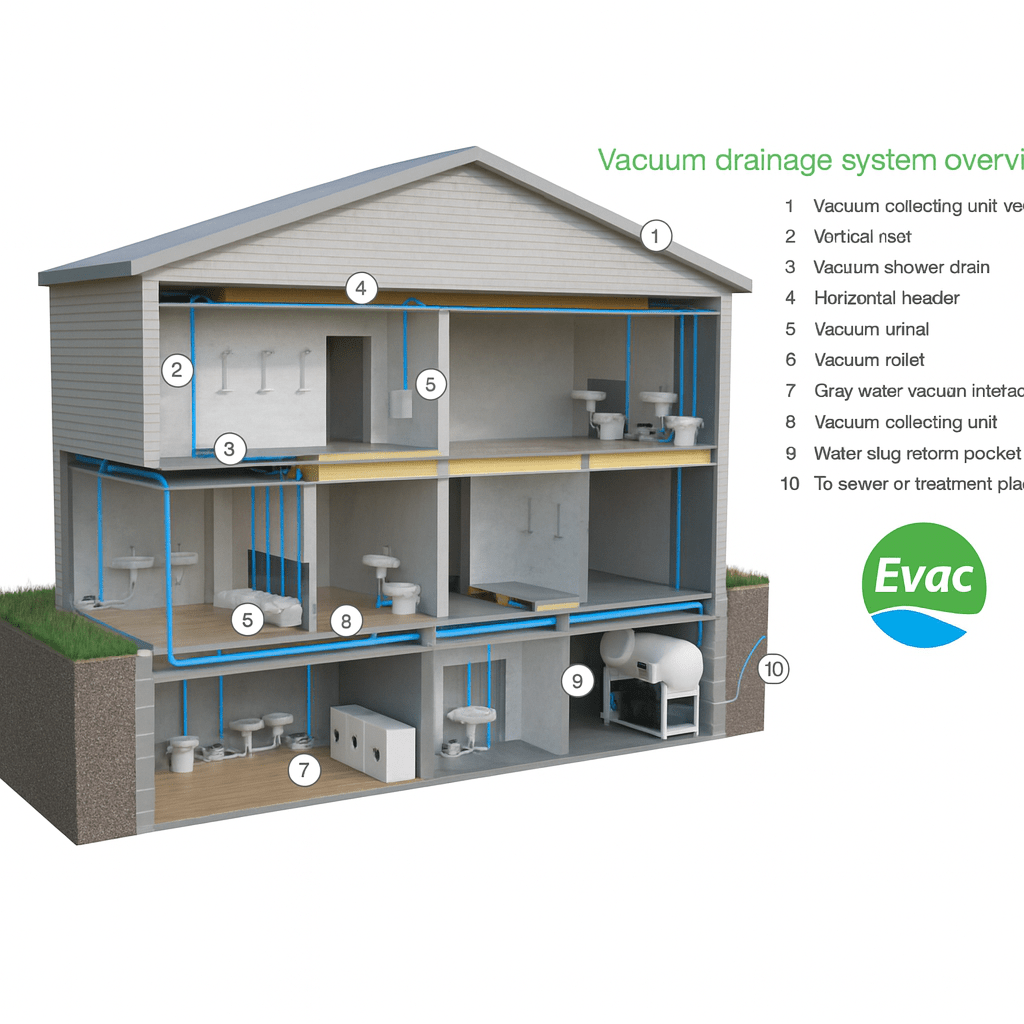
By leveraging vacuum technology, RTC enables wastewater to be transported using negative pressure, allowing smaller pipe diameters, flexible routing, and reduced excavation requirements. This results in a highly efficient, hygienic, and sustainable wastewater system, ideal for modern indoor environments across the Middle East.

Our Technology Partner

EVAC

Advanced Indoor Vacuum Wastewater Systems

EVAC is a globally respected pioneer in vacuum wastewater and water-saving technologies, widely adopted in buildings, hospitals, hotels, and marine applications. With installations across continents, EVAC systems are recognized for their exceptional reliability, hygiene, and operational efficiency.

By integrating EVAC’s advanced indoor vacuum technology, RTC ensures reliable wastewater management, flexible building layouts, and long-term operational efficiency for modern developments.
EVAC- bl

Indoor Vacuum Wastewater Solutions

Indoor Vacuum Wastewater Solutions
Indoor Waste Water Solutions 5
Indoor Vacuum Wastewater Solutions 1
Indoor Vacuum Wastewater Solutions 2
Indoor Vacuum Wastewater Solutions 3
Indoor Vacuum Wastewater Solutions 4
Indoor vacuum systems are particularly well-suited for hotels, hospitals, high-rise buildings, commercial complexes, and specialized facilities, where layout flexibility, hygiene, and operational reliability are critical. By integrating EVAC’s globally proven indoor vacuum technology, RTC delivers systems that combine engineering precision, sustainability, and long-term performance.

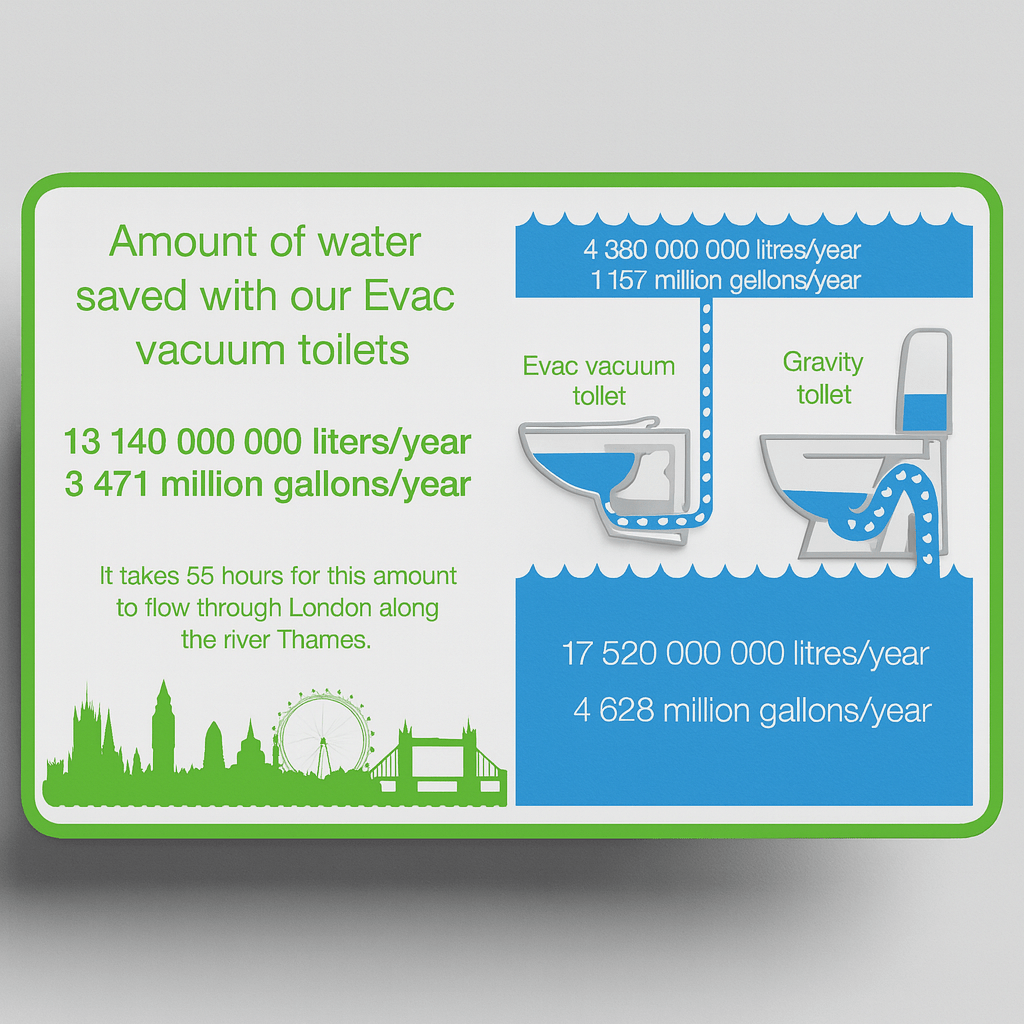
Significant Water Savings

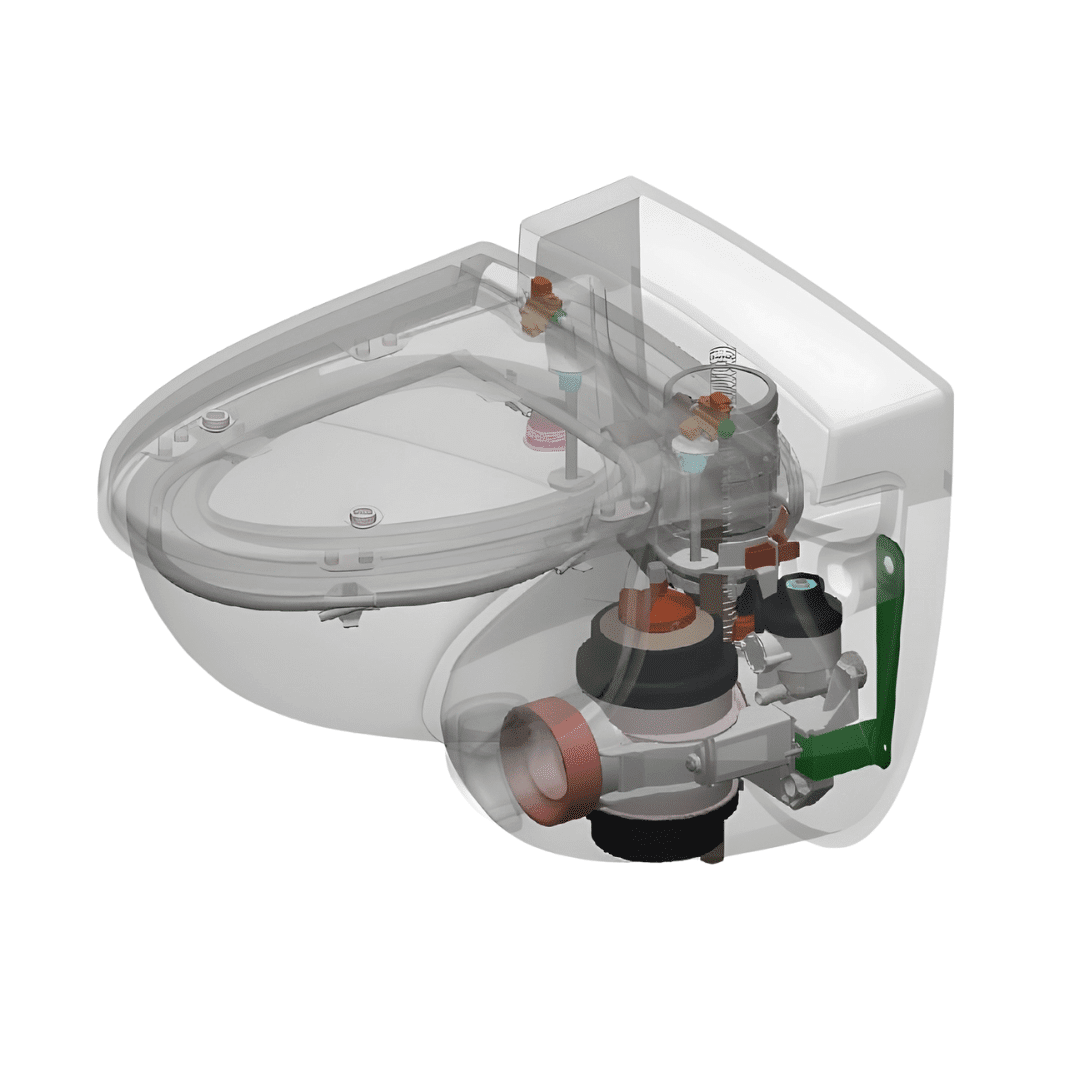
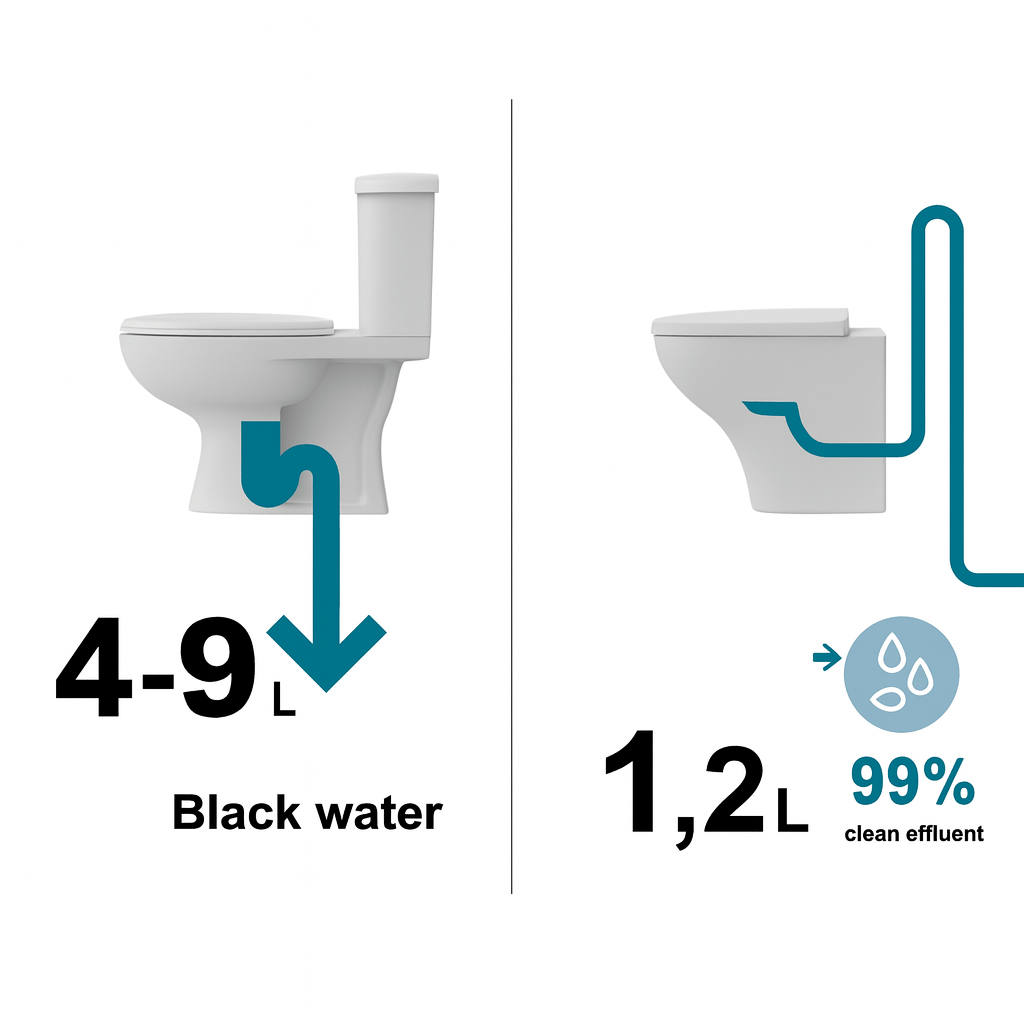
Indoor vacuum wastewater systems use substantially less water compared to conventional gravity-based systems. Vacuum toilets and fixtures require only a small volume of water per flush, while air movement ensures effective wastewater transport.

Space-Saving Pipework and Equipment

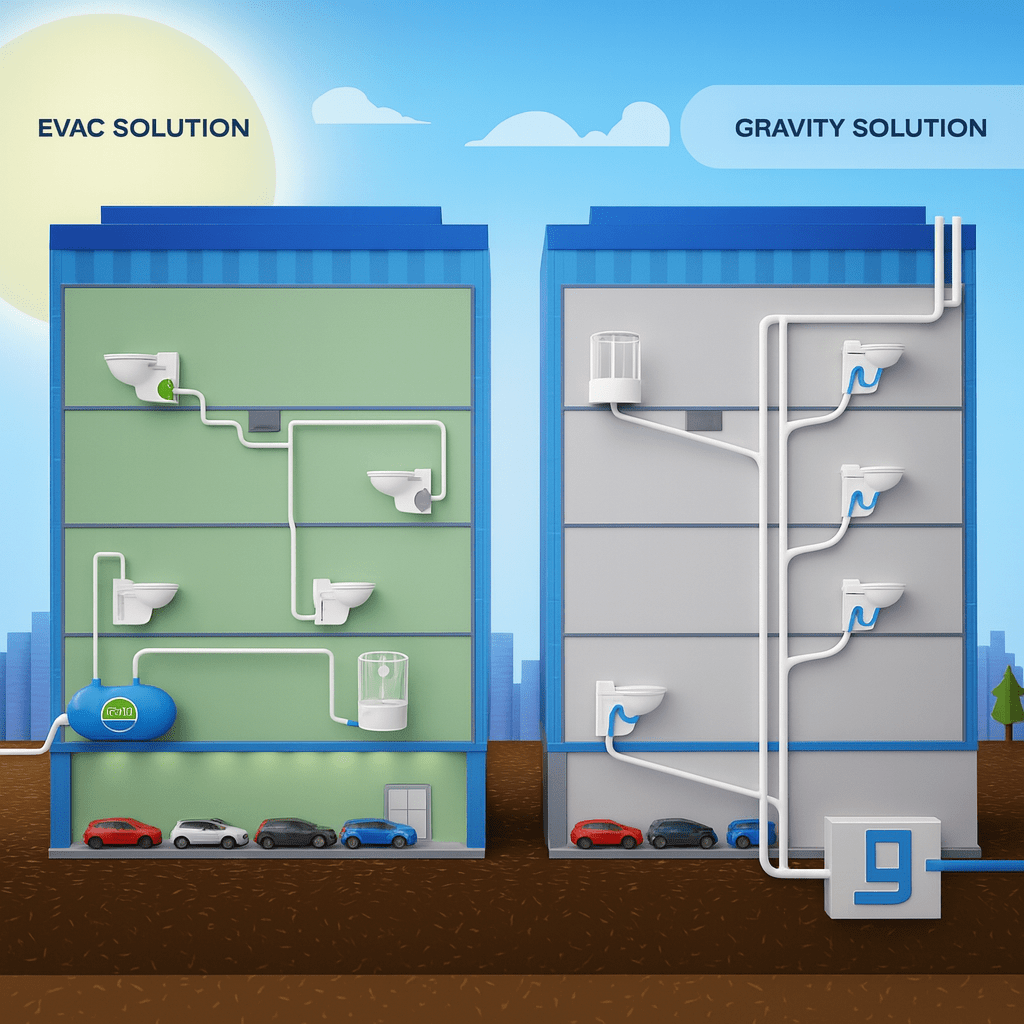
Unlike gravity systems that require large pipes and continuous slopes, indoor vacuum systems use small-diameter, flexible pipelines that can be routed horizontally or vertically with ease. This compact design reduces shaft sizes, frees up valuable building space, and enables greater architectural and interior layout flexibility.

Enhanced Hygiene and Odor Control

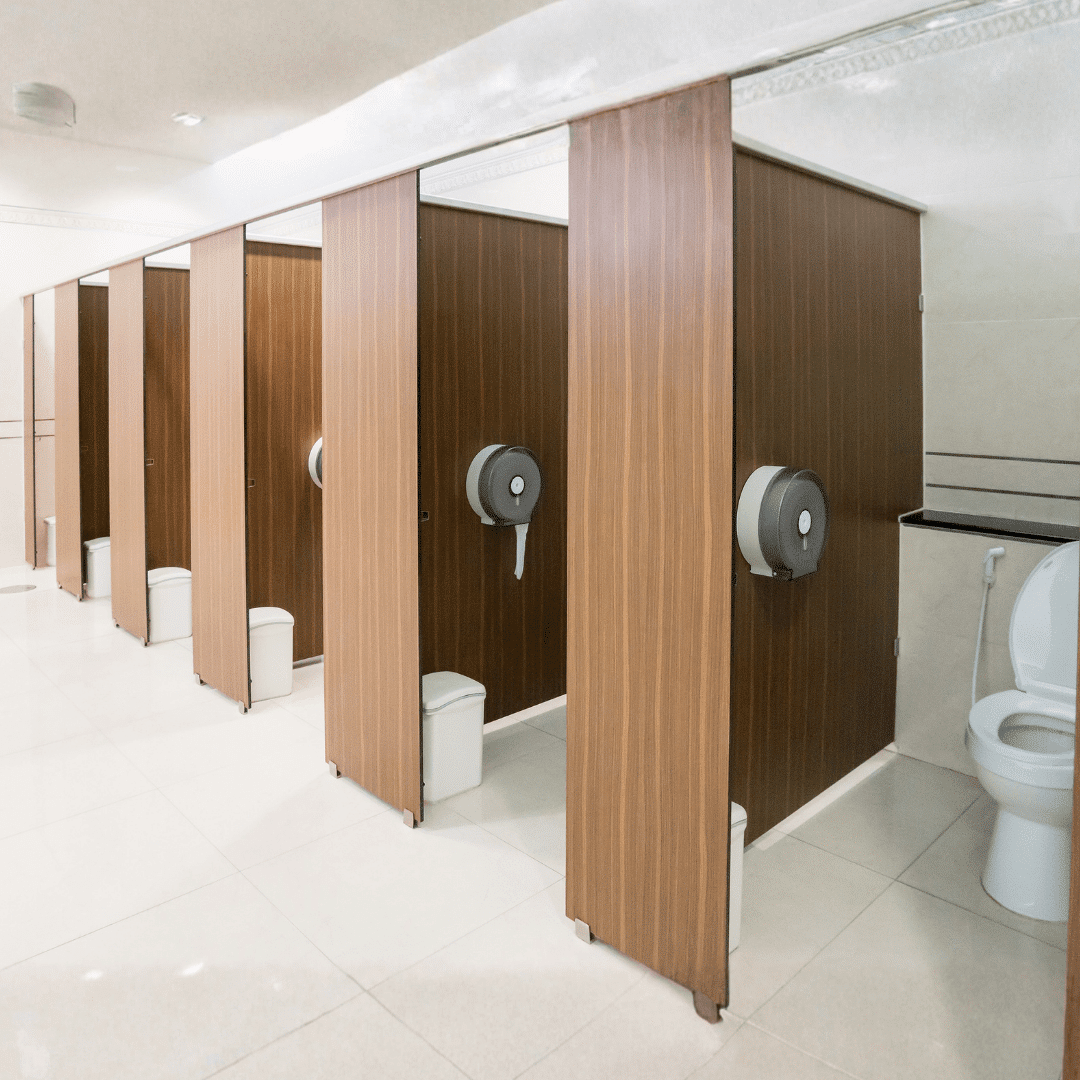
Indoor vacuum wastewater systems operate within a fully sealed, negative-pressure network, preventing odors from escaping into occupied spaces. Wastewater is transported quickly and efficiently, minimizing stagnation and bacterial growth.

Less Structural and Installation Requirements

Because indoor vacuum systems do not rely on gravity slopes, they impose fewer constraints on building structure and floor-to-floor alignment. This simplifies coordination with architectural and MEP designs, reduces structural modifications, and shortens installation timelines.

Applications & Ideal Use Cases

Indoor Vacuum Wastewater Solutions are engineered to perform reliably in environments where space limitations, hygiene requirements, operational continuity, and design flexibility are critical. Unlike conventional gravity-based systems, vacuum technology adapts easily to complex indoor layouts, high-usage conditions, and sensitive operational spaces.

Reynold Trading and Contracting (RTC) designs each system to meet the specific functional, regulatory, and architectural needs of the application, ensuring long-term performance and efficiency.

Hospitals & Health Facilities

Healthcare environments demand the highest standards of hygiene, safety, and operational reliability. Indoor vacuum wastewater systems provide a sealed, leak-proof network that significantly reduces the risk of contamination and odor leakage.

Hotels & Hospitality Projects

Using Indoor vacuum solutions in hotels & hospitality projects allow for smaller pipe diameters and reduced structural impact, giving architects greater freedom in room layouts, bathrooms, and service areas.

Commercial & Office Buildings

Modern commercial buildings prioritize space efficiency, adaptability, and future-proof infrastructure. Indoor vacuum wastewater systems support flexible office layouts by eliminating the need for large pipe slopes and deep service shafts.

Airports & Transport Hubs

Airports and transportation facilities operate under continuous, high-volume usage conditions, often with limited maintenance windows. Indoor vacuum wastewater systems are designed to handle peak loads efficiently while maintaining consistent performance.

Residential Towers & Mixed-Use Developments

High-rise residential and mixed-use projects benefit significantly from vacuum wastewater systems due to their ability to reduce pipe sizes, minimize vertical drops, and optimize shaft space. This allows developers to maximize usable floor area while maintaining reliable wastewater collection across multiple levels.

Industrial & Utility Buildings

In industrial and utility environments, wastewater often needs to be managed within restricted spaces and controlled conditions. Indoor vacuum systems offer precise control over wastewater movement, reducing the risk of spills and simplifying compliance with environmental and safety standards.